Mastering the art of bluffing in casino poker games
OPORTUNOS
Mastering the art of bluffing in casino poker games
Understanding the Psychology of Bluffing
Bluffing in poker transcends mere technicality; it is deeply rooted in psychological understanding. The crux of a successful bluff lies in your ability to interpret the reactions of your opponents and anticipate their potential decisions. Players often engage in a mental contest where they assess not only their own hand strength but also the perceived confidence of others at the table. A skilled bluffer creates a compelling narrative that may mislead opponents regarding the actual strength of their hand, making it essential to weave a story that resonates with the game’s dynamics, much like a player might explore options at 1win to enhance their gaming experience.
To implement a bluff effectively, a player must be acutely aware of the table dynamics. Each participant has individual tendencies shaped by their experiences and styles of play. For example, a novice player may be more inclined to call a bluff out of fear of missing out, while a veteran might possess the insight to see through an insincere display of confidence. Therefore, careful observation becomes integral; the ability to tailor your bluffing strategy based on the unique characteristics of your opponents can make the difference between victory and loss.
Additionally, mastering self-awareness is crucial when bluffing. Your emotional state can significantly influence the success of your bluff. Displaying confidence can sway the decisions of your opponents, while any sign of uncertainty might reveal your true intentions. Learning to manage emotional responses, particularly under pressure, is a vital trait for a successful bluffer. This psychological aspect of bluffing requires not only the manipulation of others but also a robust self-control that ensures you maintain your composure and portray a believable front throughout the game.
Kinds of Bluffs in Poker
In poker, bluffs can be categorized primarily into two types: pure bluffs and semi-bluffs. A pure bluff is executed when a player holds a weak hand and aims to convince their opponents to fold hands that are statistically stronger. This type of bluff is most effective in scenarios where opponents are likely to possess high card hands, particularly when the community cards are low or present potential draws that may intimidate them. Understanding when to take such risks is essential, especially in larger pots where the rewards of a successful bluff can be substantial.
On the flip side, a semi-bluff involves betting with a drawing hand that has the potential to improve. For instance, holding a flush draw means that betting aggressively can serve dual purposes: forcing opponents to fold or positioning yourself favorably if your draw completes on later streets. Semi-bluffing is often viewed as a more strategic maneuver since it allows for winning the pot in two ways: either by forcing a fold or by improving your hand. This versatility makes semi-bluffing a favored tactic among seasoned players.

Knowing when to employ each type of bluff is critical for mastering the art of bluffing. Situational awareness becomes paramount, considering factors such as stack sizes, your position at the table, and the tendencies of your opponents. A well-timed bluff can tilt the odds in your favor, but a poorly executed bluff can quickly deplete your chip stack. Therefore, accruing experience and sharpening your ability to identify optimal bluffing circumstances is essential for elevating your poker skills.
The Importance of Position in Bluffing
Your position at the poker table plays a monumental role in determining the success of your bluffs. Being seated in a later position offers a significant advantage, as it grants you the opportunity to observe the actions of your opponents before making a decision. This added layer of information can be crucial in deciphering the strength of their hands based on their betting patterns and behaviors, which heavily influence your bluffing strategy.
For instance, if you find yourself in a late position and notice that players before you are checking or calling rather than raising, you may have a stronger justification for attempting a bluff. Conversely, if earlier players demonstrate aggression, they might be indicating strong hands. Thus, your position can significantly impact your bluffing strategy, allowing you to capitalize on observed behaviors while being acutely aware of the table dynamics.
Moreover, the concept of “image” plays a pivotal role in relation to your position. If you have cultivated a tight image at the table, meaning you have played fewer hands and have shown strength, opponents may be more inclined to fold when you attempt a bluff. On the other hand, if your play has been overly aggressive or loose, opponents may call your bluffs with greater frequency. Therefore, managing your table image, especially in relation to your position, becomes a strategic element that can greatly enhance your bluffing proficiency.
Timing and Frequency of Bluffs
Timing is of utmost importance when it comes to bluffing in poker. The frequency with which you bluff can impact your credibility; if you bluff too often, opponents may catch on and become less likely to fold in subsequent situations. Striking a balance between unpredictability and aggression is essential. An effective bluff often arises from keen observation of the game’s flow and a nuanced understanding of your opponents’ tendencies, making timing a critical factor in successful bluffing.
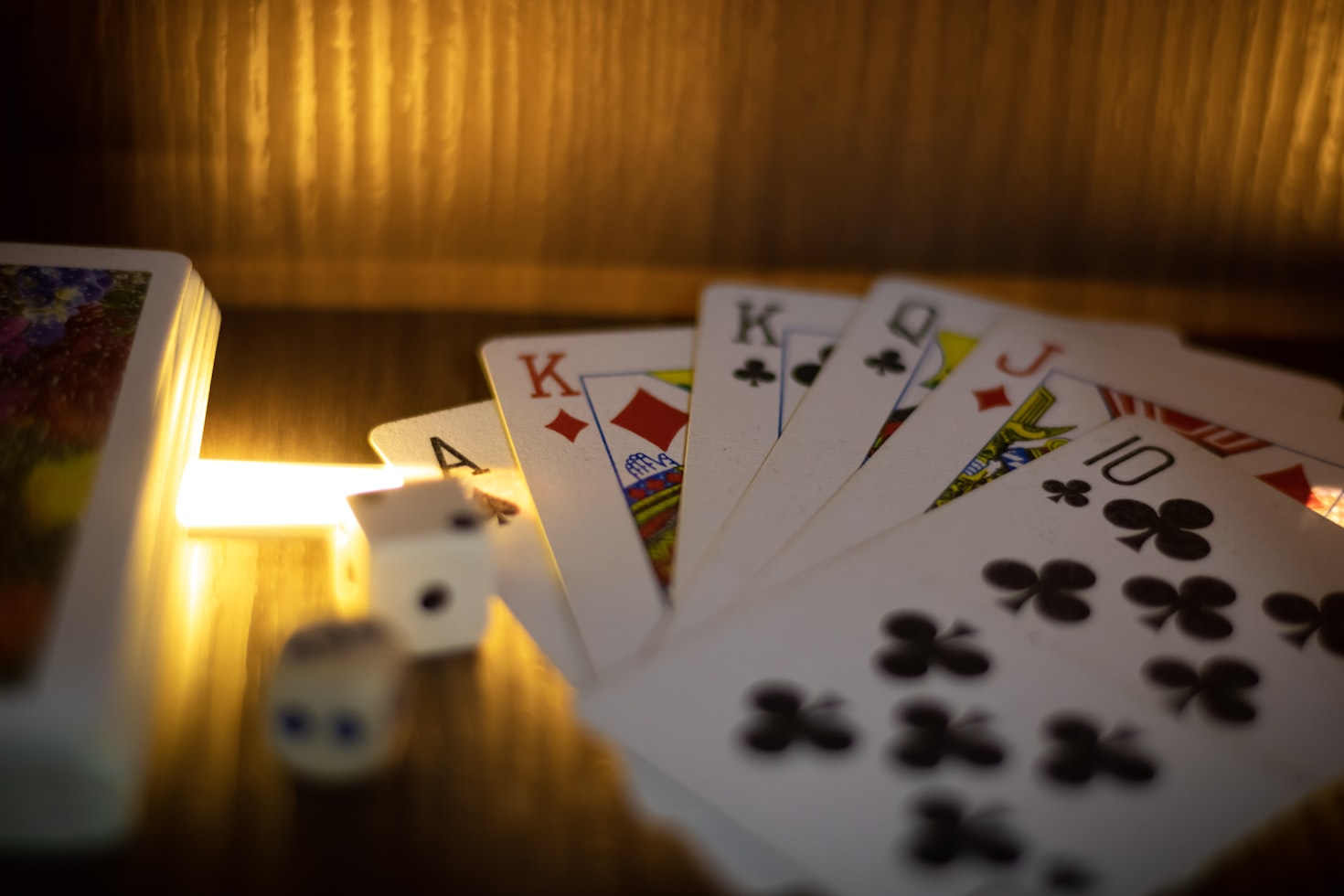
Additionally, the stage of the game and situational context can dictate the ideal moments to bluff. In the early betting rounds, more players typically remain in the hand, making successful bluffs less likely. However, as the hand progresses and players begin to fold, the chances of convincing others to fold increase. Recognizing these pivotal moments can significantly influence your overall strategy, allowing you to capitalize on favorable odds.
Considering the size of the pot is also vital when planning your bluff. Bluffing in smaller pots might yield less impactful results, as players may be less invested and less inclined to call. Conversely, larger pots raise the stakes, prompting opponents to exercise more caution. As such, bluffing in bigger pots necessitates a more thoughtful approach, leveraging your understanding of opponents’ behaviors and their investment in the hand to inform your bluffing strategy.
Resources for Mastering Bluffing Techniques
For players keen on honing their bluffing skills, a wealth of resources is available. Books, online forums, and instructional videos offer insights and analyses from experienced professionals. Engaging in poker communities, both online and offline, provides a platform for sharing experiences and strategies, enhancing your understanding of bluffing techniques through collaboration with fellow players. Discussions about hands and strategies can illuminate the nuanced art of bluffing, enriching your overall approach.
Moreover, practicing in low-stakes games or friendly home games serves as an excellent opportunity to experiment with bluffing without the risk of significant financial loss. Such environments allow players to test various strategies, learn from missteps, and build confidence in their bluffing techniques. Live practice also enhances your ability to read opponents in real-time, an essential skill for successful bluffing.
Lastly, consider utilizing software designed to analyze your gameplay. Many poker tools can simulate different bluffing scenarios, allowing you to visualize outcomes based on various actions. By merging theoretical knowledge with practical experience, you can cultivate a well-rounded approach to bluffing that greatly enhances your overall poker game and prepares you for success at the tables.